Lab Automation: Which Processes Pay, and Which Ones Do Not
A category built on optimism deserves a sceptical test. Three conditions decide whether a process is worth automating, and knowing which of yours qualify is the whole exercise.
Category
Automation and smart technologies are revolutionizing laboratory work. In Lab Automation & Innovation, LabLynx examines how AI, machine learning, robotics, predictive quality control, and advanced analytics are reshaping labs across industries. Content includes real-world applications of AI-driven pharma LIMS, robotic sample processing, self-optimizing workflows, and the integration of IoT sensors with LIMS/ELN platforms. These forward-looking articles help lab directors evaluate emerging tools, calculate ROI on automation investments, and prepare for the next wave of lab digitization—turning manual processes into intelligent, high-throughput systems.
Showing 10 of 15 items
A category built on optimism deserves a sceptical test. Three conditions decide whether a process is worth automating, and knowing which of yours qualify is the whole exercise.
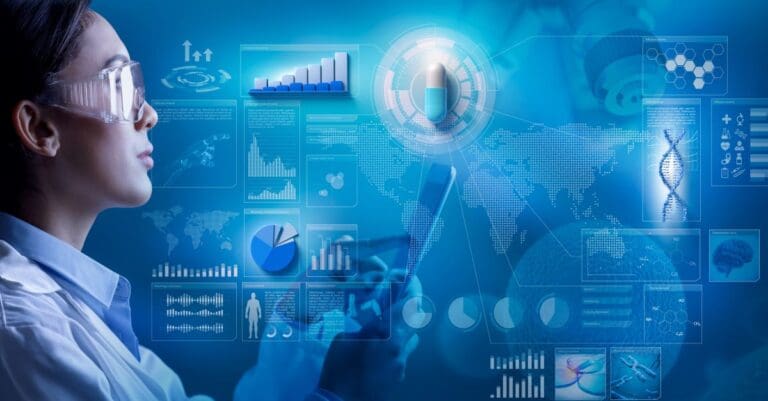
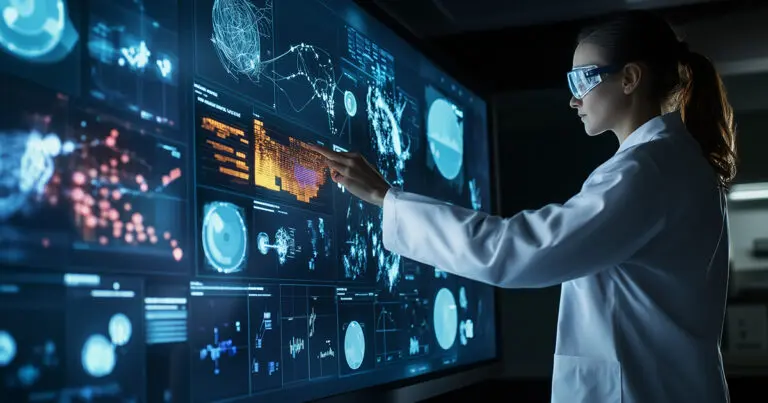
Where AI adds value on top of a pharma LIMS, turning sample and production data into trend detection, prediction and faster decisions in R&D and QA.
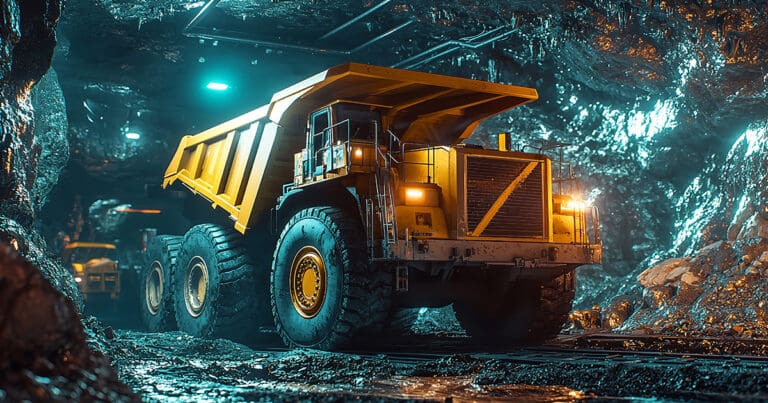
Using lubricant analysis and pattern models to catch transmission and hydraulic failures before they stop haul trucks, drills and processing plants.
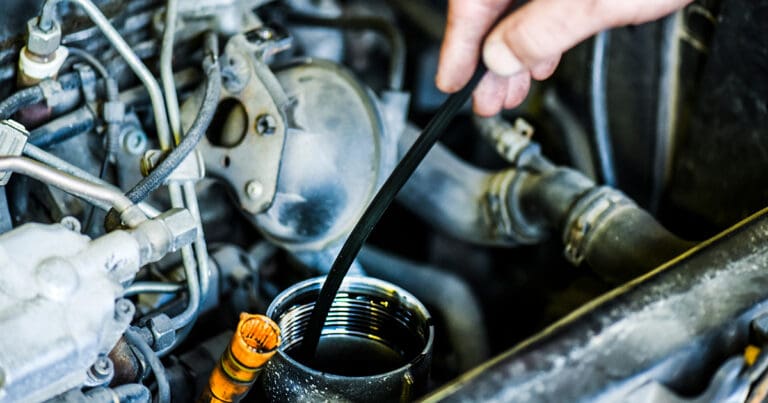
Pairing tribology expertise with a private AI model trained on your own lab data and rules, so used oil reports move faster without losing judgment.
Five pillars of a lab that runs itself: predictive maintenance, automated reagent management, AI workflow tuning, environmental controls and data integrity.
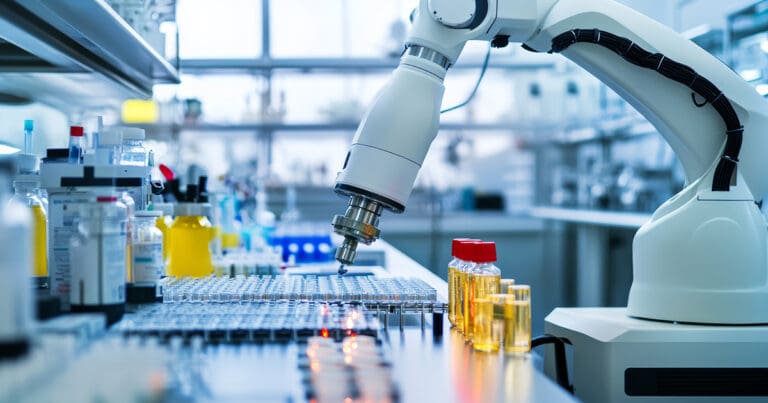
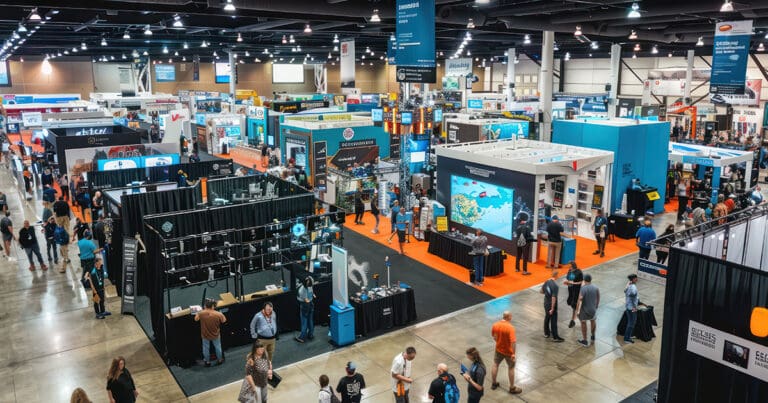
Highlights from the show floor: AI-driven sample routing, liquid handling robots, cobots, cloud and IoT-connected systems, and digital twins for lab workflows.
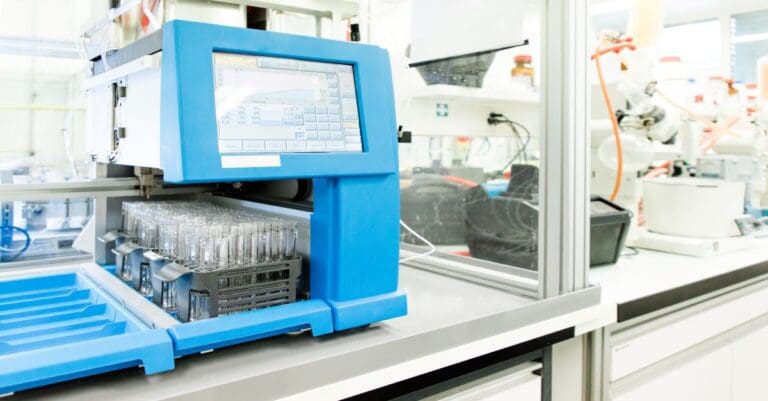
The case for replacing aging instruments: accuracy drift, throughput limits, data integration, and the automation, AI and remote monitoring newer models bring.
Connected sensors tracking temperature, humidity and equipment health in real time, with the payoff in anomaly detection, uptime and compliance records.
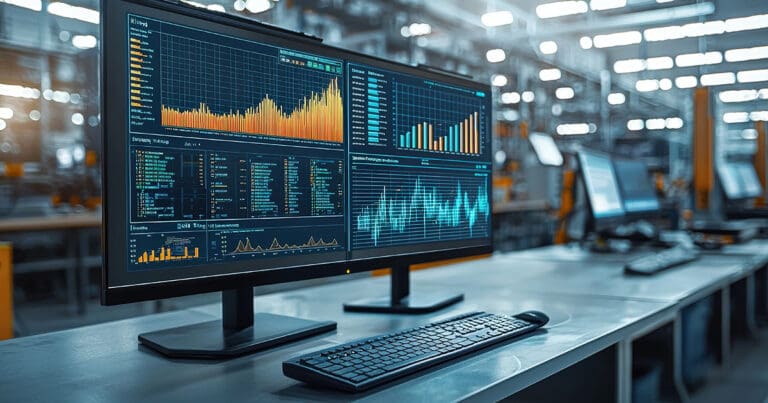
What dashboards do inside a lab system, which metrics belong on them, and how visual reporting speeds up sample, quality and resource decisions.
What remote instrument monitoring and shared data access change for lab teams, plus the security and connectivity questions to settle before relying on them.