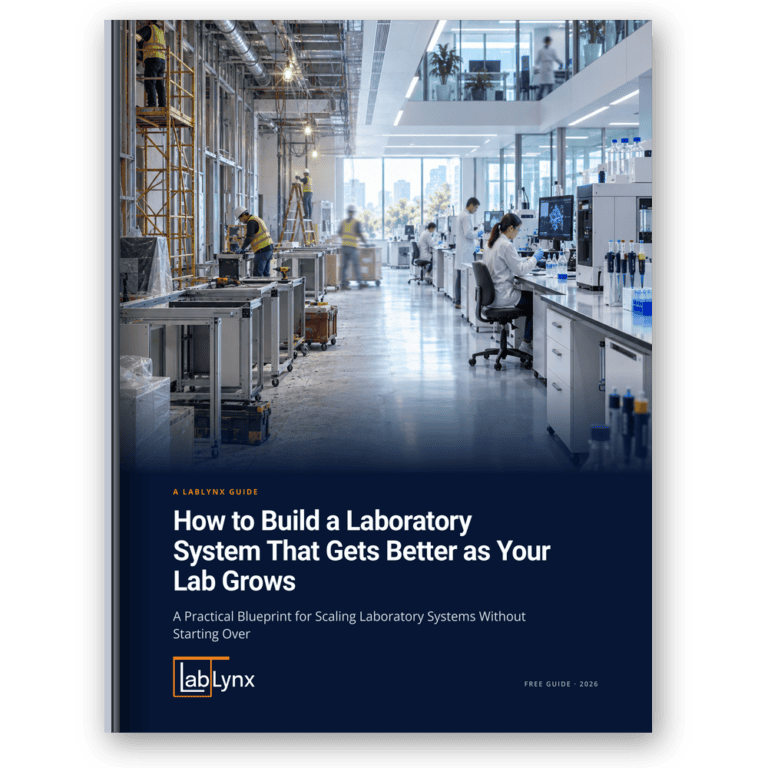
How to Build a Laboratory System That Gets Better as Your Lab Grows
A free 97-page guide to life after LIMS go-live: read the gap in your workarounds, tell platform from implementation from process, and optimize or replace.
- LIMS
Topic
Nothing on this page of results matches that content type.
Show all types or try another page.
Showing 12 of 237 items
A free 97-page guide to life after LIMS go-live: read the gap in your workarounds, tell platform from implementation from process, and optimize or replace.
The state's information security standard mandates an independent third-party security audit at least annually. TrustNet has been the independent auditor for that obligation since 2021.
A realistic sequence for leaving spreadsheets, Access and paper behind without pausing testing, including what happens to old data and who does the work.
Breaks a quote into licensing, implementation, hosting and support, explains what drives the number up or down, and gives realistic ranges by lab size.
Regulatory shifts landing in 2026, the frameworks behind them, the financial case for getting ahead, and a phased roadmap from gap analysis to accreditation.
Compares cloud and on-premises hosting on cost, deployment speed, accessibility, scalability and data control, with a checklist for deciding between them.
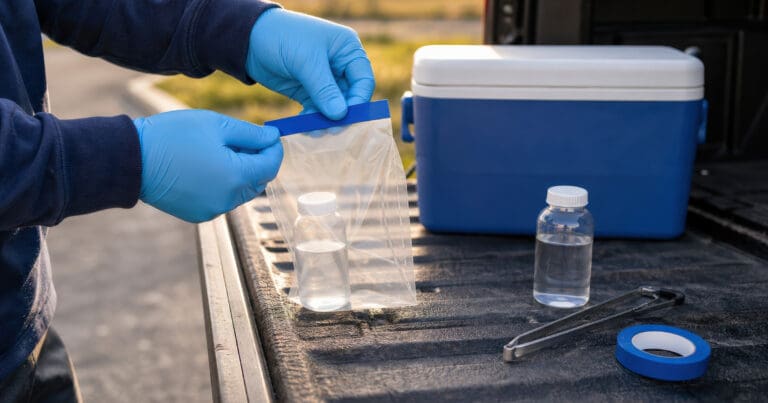
Where paper custody forms break down past 1000 samples a month, plus sample ID standards, transfer controls and a five-step path to automating the process.
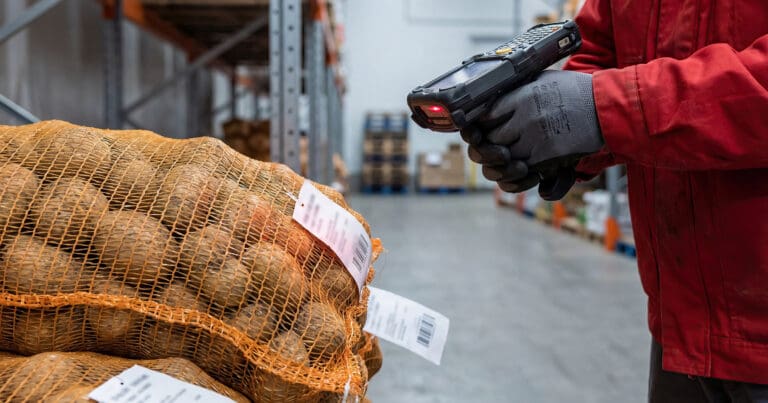
The federal date slipped to 2028 but Walmart and Kroger set their own supplier deadlines, and the traceability gap most food suppliers miss sits in the lab.
Inside the testing an environmental monitoring lab performs across water, air, soil, toxicology and microbiology, and where better data handling pays off.
A side-by-side breakdown of what each system does, the financial case for each, the scenarios that call for both, and what delaying the decision tends to cost.
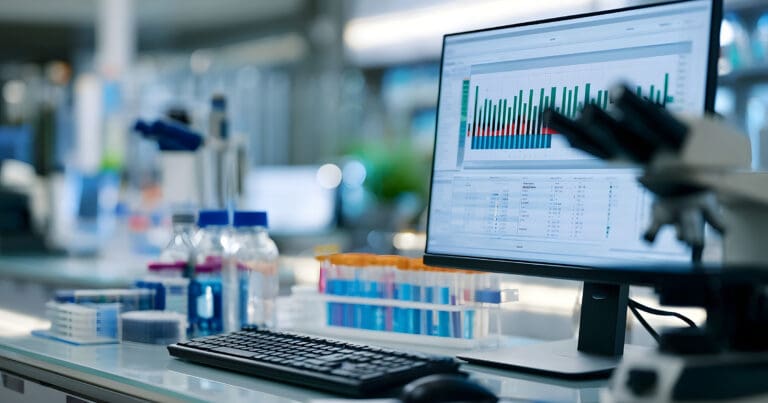
What laboratory informatics actually covers, how the field evolved, and the way sample management, digital notebooks and automation connect people, instruments and data.
Five jobs worth handing to software first, including instrument data entry, chain of custody, certificates of analysis, holding times and spec checking.