The 2026 Laboratory Compliance Calendar: Every Deadline and Where It Actually Stands
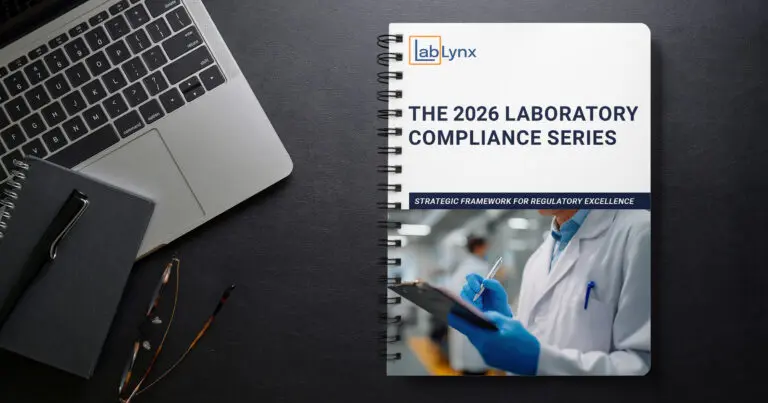
Regulatory shifts landing in 2026, the frameworks behind them, the financial case for getting ahead, and a phased roadmap from gap analysis to accreditation.
Category
Regulatory compliance is a core requirement for accredited and commercial laboratories. This category provides in-depth coverage of major standards—including ISO 17025, HIPAA, CLIA, 21 CFR Part 11, CAP accreditation, Good Laboratory Practice (GLP), GMP, HACCP, TNI/NELAP, and more. Articles explain audit preparation, electronic signatures, data integrity (ALCOA+), automated audit trails, reporting requirements, and how LabLynx LIMS/ELN simplifies documentation, validation, and inspection readiness. Whether you’re facing an upcoming audit or building long-term compliance strategy, these resources help reduce risk and maintain accreditation with confidence.
Showing 10 of 19 items
Regulatory shifts landing in 2026, the frameworks behind them, the financial case for getting ahead, and a phased roadmap from gap analysis to accreditation.
EPA proposed moving PFAS treatment compliance to 2031, but initial monitoring results are still due April 26, 2027. What systems and labs must complete first.
A week-by-week plan for the month before an audit, covering gap analysis, documentation, data integrity, training, equipment records and a final mock inspection.
What the standard asks for on both the management and technical side, why accreditation opens doors, and how digital records support each requirement.
What CAP accreditation involves, the peer inspection process and checklist scope, where labs commonly stumble, and how software keeps records ready.
What CLIA covers, how certification works and which records, personnel credentials and quality controls a clinical lab has to keep audit ready.
What GMP asks of a lab, the documentation and control habits behind it, the failures that trigger recalls, and where software carries the recordkeeping load.
What Good Laboratory Practice covers, how compliance looks day to day in study records and SOPs, common failure points, and what software takes on.
What the FDA rule asks of electronic records and signatures, how that looks day to day on the bench, and the audit trail and validation gaps that catch labs out.
How HIPAA applies to labs handling patient data, the privacy and security duties involved, common pitfalls, and the controls that keep records protected.