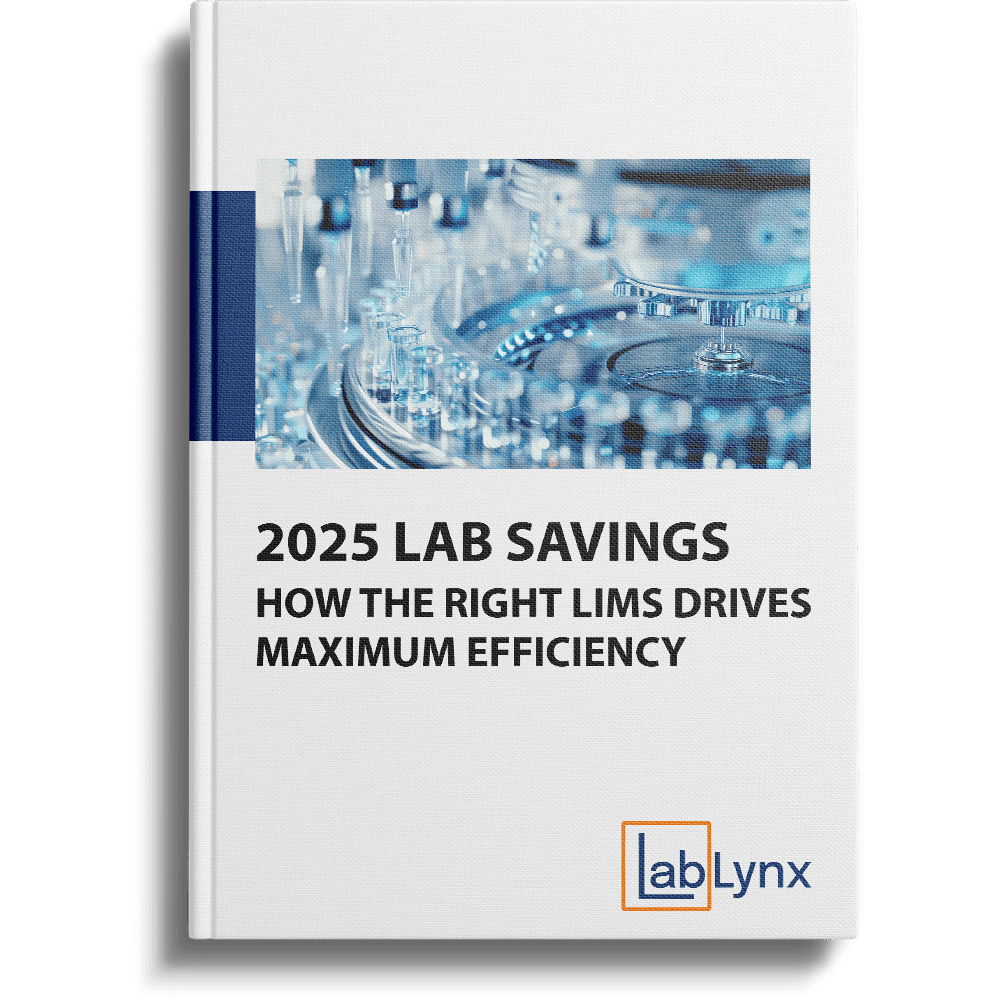
Free guidePDF · 14 pages · 15-minute read
2025 Lab Savings: How the Right LIMS Drives Maximum Efficiency
A free 14-page LabLynx guide to lab cost savings and efficiency, from workflows, errors and inventory waste to staffing, compliance, IT costs and growth.
Get your free copy
- 14 pages
- Instant download
"*" indicates required fields
We also email you the link.
Lab efficiency is how well a lab turns its people, equipment, supplies and data into results, and efficient workflows directly drive a lab's profitability. This LabLynx guide shows where the right LIMS saves money in ten areas, from workflows, errors and inventory waste to staffing, turnaround, compliance, IT costs and growth.
What you will learn
- Where manual work costs a lab money. Manual data entry, paperwork and sample handling that slow turnaround and lead to rework.
- How to cut inventory waste. Real-time stock levels and expiration dates, with reordering based on actual usage.
- How to match staff and equipment to the workload. Workload data that prevents bottlenecks, underused equipment, and overstaffed or understaffed shifts.
- Why compliance and connected data pay off. Automatic audit trails and reporting that lower the risk of fines, and data centralized across departments.
- How to keep overhead down as the lab grows. Less on-site hardware and fewer manual updates, and room for new tests and locations.
What is inside the guide
From manual data entry to planning for growth: here are the ten areas the guide covers.
Streamlined workflow efficiency
Efficient workflows directly affect a lab's profitability. Automating sample management, tracking and reporting lets a lab process more samples with fewer resources, shortening turnaround and cutting labor costs, while dropping manual data entry and paperwork saves staff time.
Go deeper: Lab automation: which processes pay
Reduced human error and rework
Manual data entry and sample handling invite errors that lead to rework, delayed results and compliance issues. Automated data capture means fewer mistakes, less time on rework and lower operating costs, and it frees staff for more critical tasks.
Go deeper: Reducing human error in the lab
Inventory management and waste reduction
Poor inventory control leads to overstocking, stockouts and supplies that expire unused. Real-time visibility into stock levels, expiration dates and usage, with reordering based on actual use, cuts waste and the high cost of emergency restocking.
Go deeper: Laboratory inventory management
Improved resource allocation
Without the right tools, labs face bottlenecks, underused equipment and overstaffed shifts. Real-time insight into equipment usage, staff availability and workload distribution puts resources where they are needed most.
Go deeper: Lab dashboards for smarter decisions
Enhanced compliance and reduced risk of fines
Non-compliance brings fines, penalties, legal issues and damage to a lab's reputation. Automated documentation, real-time audit trails and streamlined regulatory reporting keep a lab ready for regulators and protect the integrity of its data.
Go deeper: Preparing your lab for an inspection
Data management and integration
Lab data is most useful when it is centralized, organized and integrated across platforms and departments, and available in real time. Automating data entry, analysis and reporting removes manual errors and makes it easier to find samples, manage results and stay compliant.
Go deeper: Laboratory informatics: five kinds of data
Optimized staffing levels
Overstaffing adds expense, and understaffing causes bottlenecks and delays. Analyzing workload data and automating task assignments puts the right people on the right tasks at the right time, and balanced workloads improve staff satisfaction.
Go deeper: The lab staffing shortage
Faster turnaround times
In a competitive market, turnaround time drives client satisfaction and growth. Automated workflows, streamlined sample tracking and real-time data access cut processing delays, so a lab can take on more work without sacrificing quality.
Go deeper: Why lab speed matters
Reduced IT and maintenance costs
Outdated systems that need constant manual oversight are a financial burden. A cloud-based LIMS removes the need for extensive on-site hardware and frequent manual updates, with fewer technical disruptions and more time for the lab's core work.
Go deeper: Cloud or on-premises LIMS
Scalability for future growth
Growth brings heavier workloads, more data and more regulatory requirements. A flexible, scalable setup adapts to rising sample volumes, new testing areas and additional locations without significant upgrades or disruption.
Go deeper: Why scalability matters in a LIMS
Key takeaways
- Efficiency and profit move together. Efficient workflows directly affect profitability: automating sample management, tracking and reporting lets a lab process more samples with fewer resources.
- Manual work is where errors and rework begin. Manual data entry and sample handling lead to rework, delayed results and compliance issues; automated data capture cuts them and frees staff for more critical tasks.
- Waste hides in supplies, equipment and schedules. Expired or unused supplies, stockouts, underused equipment and overstaffed or understaffed shifts all cost money; real-time visibility puts resources where they are needed.
- Compliance is a cost line too. Non-compliance brings fines, penalties, legal issues and reputational damage; automated documentation, real-time audit trails and streamlined reporting reduce the risk.
- Plan for growth before you need it. A cloud-based, scalable setup lowers IT and maintenance costs and adapts to rising sample volumes, new testing areas and new locations without significant upgrades.
This page is the summary. The full guide has the detail, all 14 pages of it.
PDF · 14 pages · 15-minute read. Free.
Who it is for
Lab managers and directors
who want to find where time and money leak out of daily work, from manual data entry and rework to idle equipment and expired supplies.
Teams choosing a LIMS
who need to know which savings to look for, area by area, before they compare their options.
Quality and compliance leads
who want audit trails, secure records and regulatory reporting that lower the risk of fines and penalties.
Written for Any laboratory, including labs that serve clients and labs adding testing areas or locations.
Where does the guide say a lab's savings come from?
How does the guide say errors raise a lab's costs?
What does the guide recommend for cutting inventory waste?
How does the guide suggest matching staff and equipment to the workload?
How does the guide connect compliance with cost?
What does the guide say about IT costs and planning for growth?
More free guides
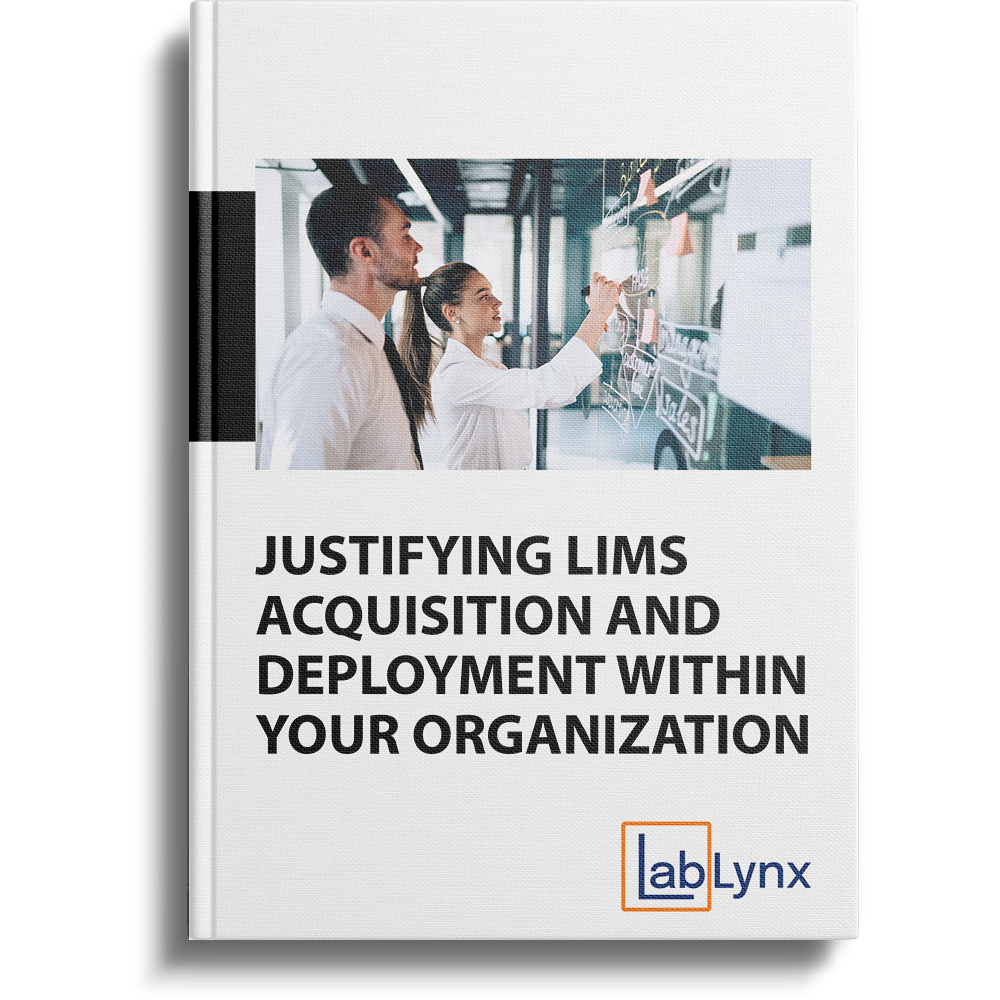 Free guideJustifying LIMS Acquisition and Deployment within Your OrganizationNeed approval for a new laboratory information management system? This free guide shows how to tie the project to your organization's goals, weigh on-premises and cloud costs, show tangible and intangible benefits beyond ROI, and win management buy-in, with a workbook for building your pitch.Get this free guide
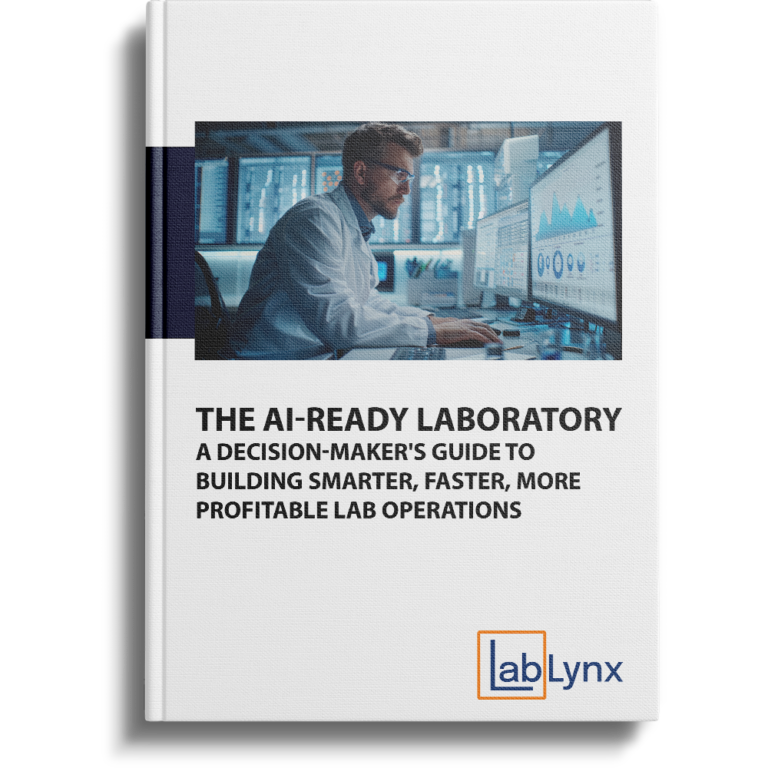 Free guideThe AI-Ready Laboratory: A Decision-Maker’s Guide to Building Smarter, Faster, More Profitable Lab OperationsLearn how forward-thinking laboratories are using AI, machine learning, and predictive analytics to cut costs, strengthen compliance, and scale operations without proportional headcount increases. This guide provides decision-makers with ROI models, governance frameworks, and a phased implementation roadmap for building an AI-ready laboratory powered by modern LIMS infrastructure.Get this free guide
 Free guideChoosing and Implementing a Cloud-Based Service for Your LaboratoryCloud-based services offer laboratories numerous benefits like scalability, cost savings, enhanced collaboration, and robust data security. By carefully assessing needs, choosing the right cloud model and provider, and following a strategic implementation plan, labs can successfully transition to the cloud and reap its many advantages.Get this free guide
Free guide
2025 Lab Savings: How the Right LIMS Drives Maximum Efficiency
PDF · 14 pages · 15-minute read
- Where manual work costs a lab money
- How to cut inventory waste
- How to match staff and equipment to the workload