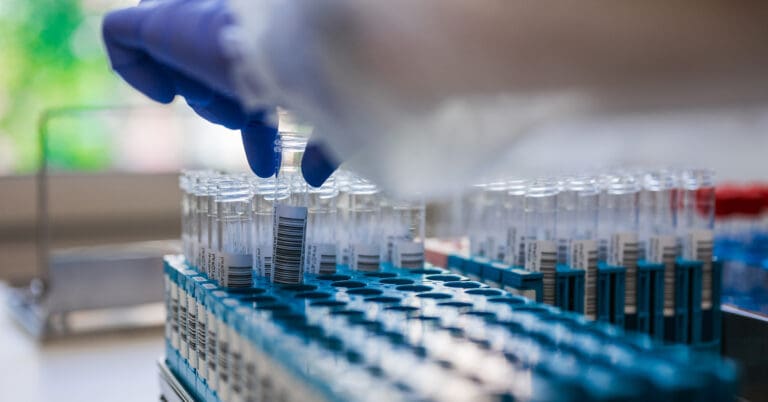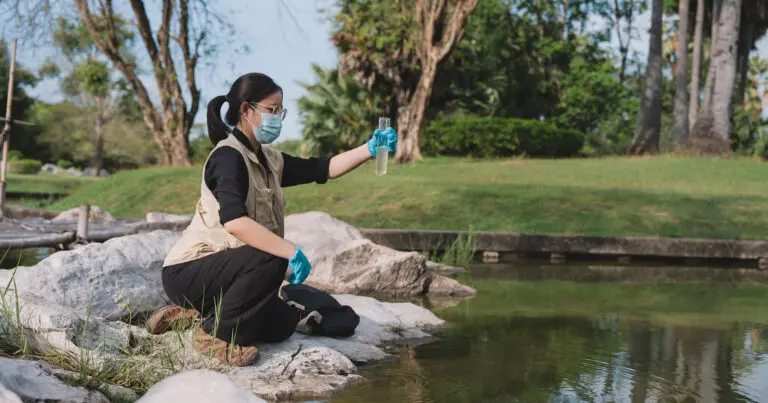
Environmental Monitoring Lab: One Sample, Step by Step
Inside the testing an environmental monitoring lab performs across water, air, soil, toxicology and microbiology, and where better data handling pays off.

Archive
Showing 10 of 109 items
Inside the testing an environmental monitoring lab performs across water, air, soil, toxicology and microbiology, and where better data handling pays off.
A side-by-side breakdown of what each system does, the financial case for each, the scenarios that call for both, and what delaying the decision tends to cost.
What laboratory informatics actually covers, how the field evolved, and the way sample management, digital notebooks and automation connect people, instruments and data.
Five jobs worth handing to software first, including instrument data entry, chain of custody, certificates of analysis, holding times and spec checking.
One serves patient care and clinical reporting, the other manages samples and workflows across industries. Where each fits, and when labs run both.
A category built on optimism deserves a sceptical test. Three conditions decide whether a process is worth automating, and knowing which of yours qualify is the whole exercise.
A LIMS is not hard to buy and it is hard to implement. The difference is a short list of decisions that get made badly, early, and quietly, long before anyone signs a contract.
Five recurring gaps that break sample history, from split records and manual transcription to corrective actions living in email, and how to close them.
Sixteen lab pain points seeded into a single elimination bracket, with a scouting report on every matchup and an interactive bracket you can fill in yourself.
Why autonomous agents break traditional lab security models, the attack scenarios to plan for, and the zero trust controls that keep agent operations safe.