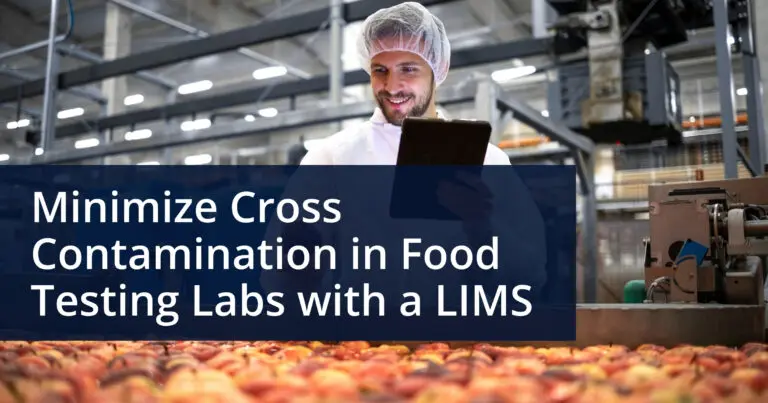
Minimize Cross Contamination in Food Testing Labs with a LIMS
Contamination controls built into daily food testing work, covering accessioning, workflow enforcement, storage, reagent traceability and the KPIs to watch.
Category
Every industry has unique testing, compliance, and workflow requirements. Industry Applications & Solutions showcases how LabLynx LIMS and ELN adapt to specialized needs across sectors. Coverage includes environmental labs (water, soil, disaster response), oil & gas exploration, agriculture & pesticide testing, clinical diagnostics, metallurgy & materials, textile & manufacturing quality control, food safety & allergen testing, wastewater treatment, mining, and more. Each article highlights industry-specific challenges, regulatory demands, and how configurable LIMS/ELN delivers faster results, better traceability, and compliance assurance—helping you select the right informatics solution for your vertical.
Showing 10 of 33 items
Contamination controls built into daily food testing work, covering accessioning, workflow enforcement, storage, reagent traceability and the KPIs to watch.
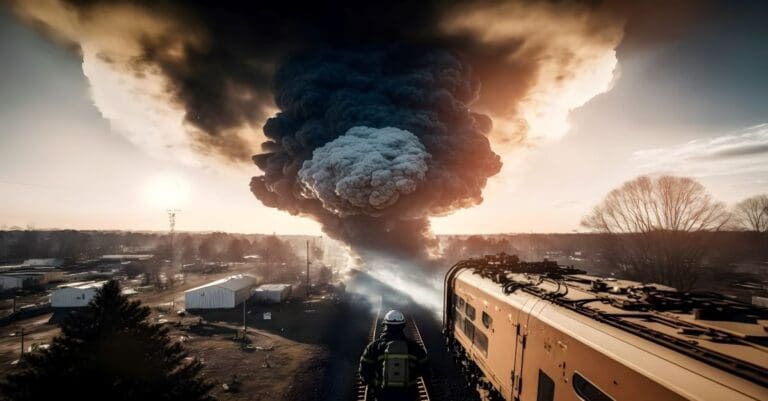
How response labs analyze air, water and soil after spills and derailments, with real incident examples and the data handling that fast turnaround depends on.
The hazards, test parameters and standards behind feed testing, and how lab software standardizes workflows and speeds turnaround across the supply chain.
How academic, clinical, life science, manufacturing and medical research teams use digital notebooks to cut data fragmentation and keep work reproducible.
The pressures on quality control teams and the tooling that answers them, with examples from pharmaceutical, food, automotive and cosmetics testing.
How manufacturing QC labs cut cost and lift throughput with informatics, robotics, machine learning and cloud systems, with figures on the savings involved.
Centralized casework for medical examiners: chain of custody, autopsy and toxicology report automation, instrument links and long term retrieval of old cases.
Chemical, petrochemical and biofuels testing under GHS, REACH and OSHA requirements, with configurable workflows, sample tracking and scalable reporting.
How materials teams in aerospace and automotive use centralized data, instrument integration and standardized workflows to move new materials into production.
Where food labs lose hours to transcription, scattered records and sample bottlenecks, and what changes for throughput and waste once work is tracked.