AI Assisted Used Oil Analysis Report
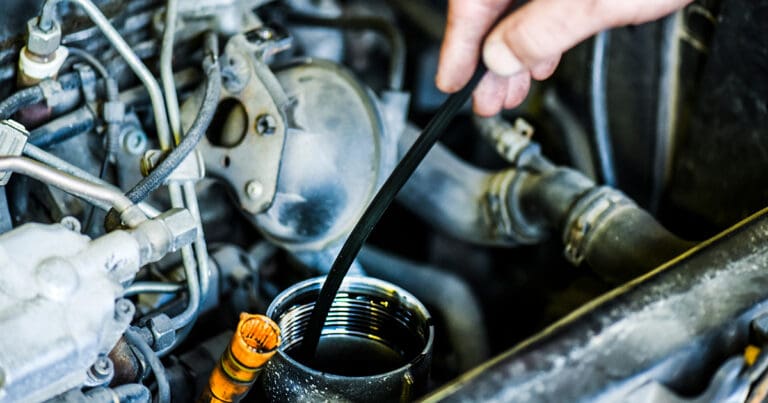
A technical walkthrough of an AI-assisted tribology workflow: how sample data leaves the LIMS, gets interpreted, is reviewed by an expert, and returns.
- Lab Automation
- LIMS
Topic
Nothing on this page of results matches that content type.
Show all types or try another page.
Showing 12 of 58 items
A technical walkthrough of an AI-assisted tribology workflow: how sample data leaves the LIMS, gets interpreted, is reviewed by an expert, and returns.
Pairing tribology expertise with a private AI model trained on your own lab data and rules, so used oil reports move faster without losing judgment.
Upload a used oil report and watch AI return a tribologist style diagnosis with recommendations, a live look at automated interpretation and report writing.
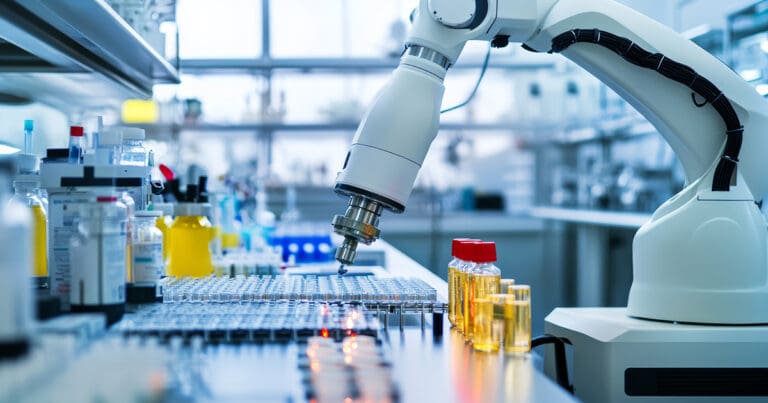
Five pillars of a lab that runs itself: predictive maintenance, automated reagent management, AI workflow tuning, environmental controls and data integrity.
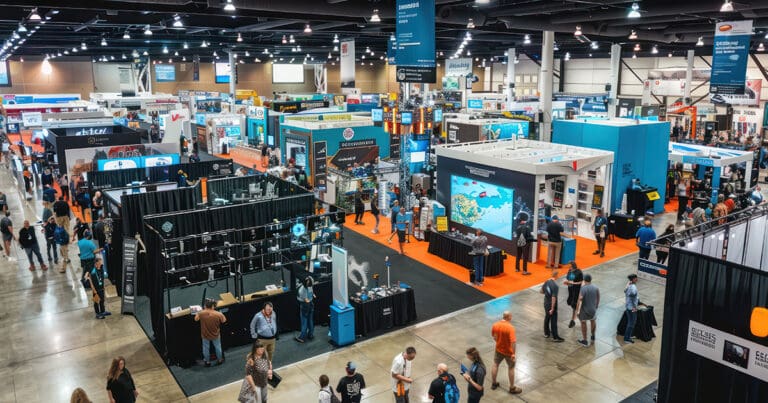
Highlights from the show floor: AI-driven sample routing, liquid handling robots, cobots, cloud and IoT-connected systems, and digital twins for lab workflows.
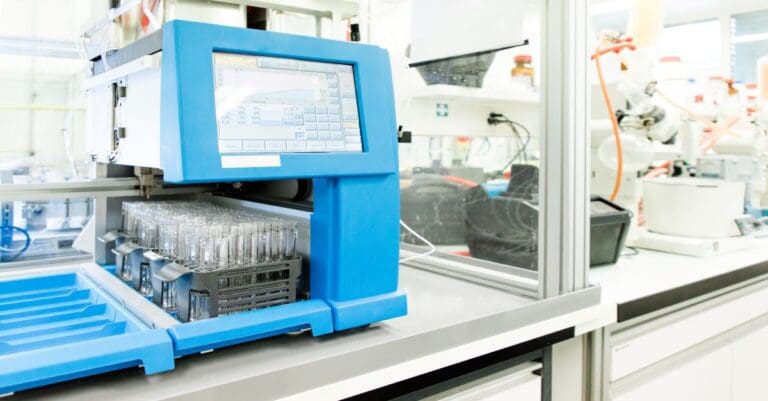
The case for replacing aging instruments: accuracy drift, throughput limits, data integration, and the automation, AI and remote monitoring newer models bring.
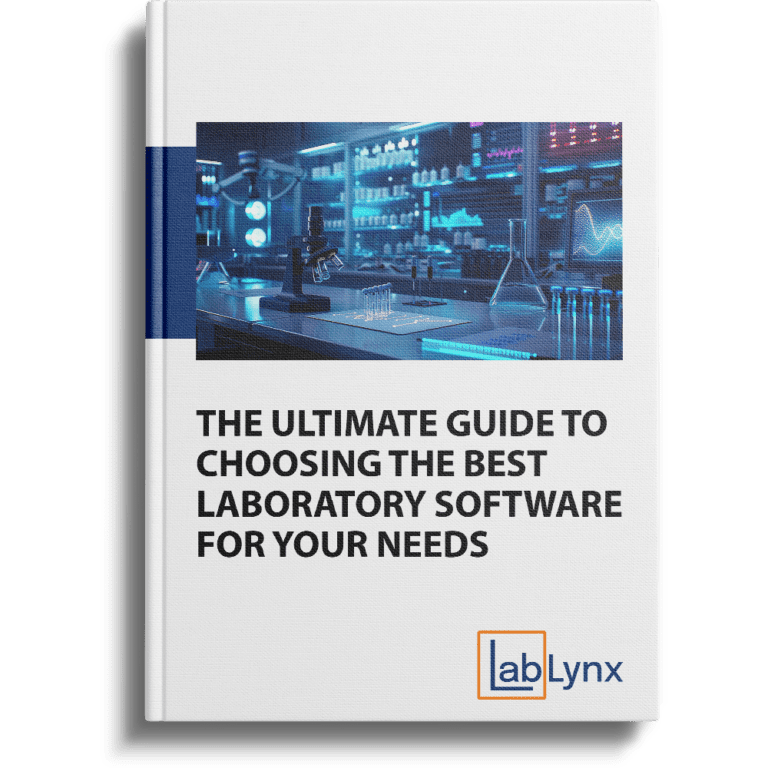
A free overview of the main software categories a lab can buy, the features that matter most, and how to compare, implement and support the choice.
A walkthrough of the three suites, what each one handles, and how sample management, scientific documentation and automation fit together on one platform.
All three suites in one view, plus the OpenSocial, ELab ELN, ELab LIMS and LabVia applications, and how the platform is meant to scale as a lab grows.
Compares the three suites side by side and walks through choosing between data management, research documentation and automation based on how your lab runs.
Instrument integration, workflow automation, cloud data exchange and analytics for labs running high volume testing, plus who gains most and where to start.
Equipment registers, calibration and maintenance scheduling, and status visibility that keeps instruments available and their records current.