HACCP Compliance Made Simple with Smart Lab Management
The seven HACCP principles, where lab testing carries them, and how traceability, CAPA, calibration records and training logs keep a food lab audit-ready.

Archive
Showing 10 of 109 items
The seven HACCP principles, where lab testing carries them, and how traceability, CAPA, calibration records and training logs keep a food lab audit-ready.
What the food safety management standard asks of a lab, from hazard monitoring and traceability to supplier verification, training records and internal audits.
Self-service portals cut the calls and status emails by giving clients direct access to results, sample tracking and documents, with the staff time savings quantified.
Pairing tribology expertise with a private AI model trained on your own lab data and rules, so used oil reports move faster without losing judgment.
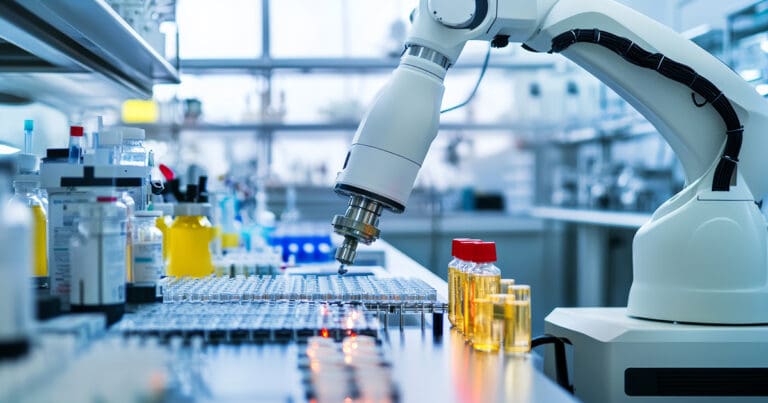
Five pillars of a lab that runs itself: predictive maintenance, automated reagent management, AI workflow tuning, environmental controls and data integrity.
The FDA phase-out of Red 3, Red 40 and other synthetic dyes by the end of 2026, and how digital records help labs track reformulation and stay audit-ready.
Seven steps from evaluating current practice to digitizing back records, with the training and adoption problems that derail paper-to-digital moves.
What the 2025 Data Management and Sharing Policy asks of funded researchers, and which notebook features cover capture, metadata, versions and sharing.
Twenty no-cost tools across notebooks, literature search, statistics, visualization, reference management and bioinformatics, with what each one is good for.
How academic, clinical, life science, manufacturing and medical research teams use digital notebooks to cut data fragmentation and keep work reproducible.