Tailoring LIMS for Success: Why Customizable Solutions are Essential for Specialty Labs
Why off-the-shelf configurations fail specialty labs, with examples from environmental, food safety, clinical and forensic work and the features each needs.
Archive
Showing 10 of 109 items
Why off-the-shelf configurations fail specialty labs, with examples from environmental, food safety, clinical and forensic work and the features each needs.
How labs keep running through hurricanes, floods and wildfires: continuity planning, remote access, data security and the recovery steps to settle in advance.
What belongs in a lab continuity plan, from risk assessment and disaster recovery to staff training, and the part lab software plays at each step.
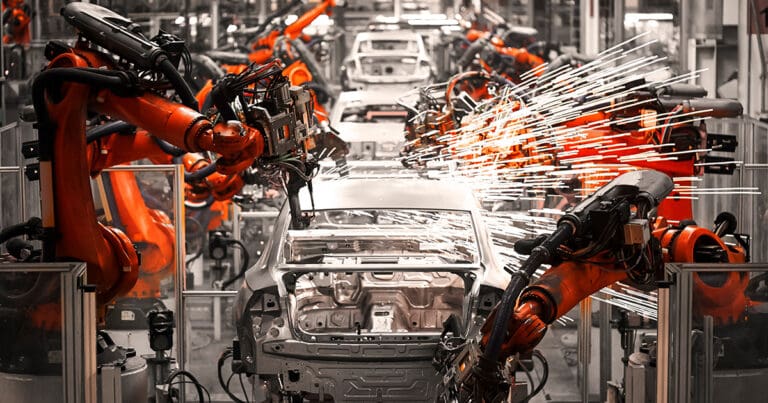
How manufacturing QC labs cut cost and lift throughput with informatics, robotics, machine learning and cloud systems, with figures on the savings involved.
Connected sensors tracking temperature, humidity and equipment health in real time, with the payoff in anomaly detection, uptime and compliance records.
Centralized casework for medical examiners: chain of custody, autopsy and toxicology report automation, instrument links and long term retrieval of old cases.
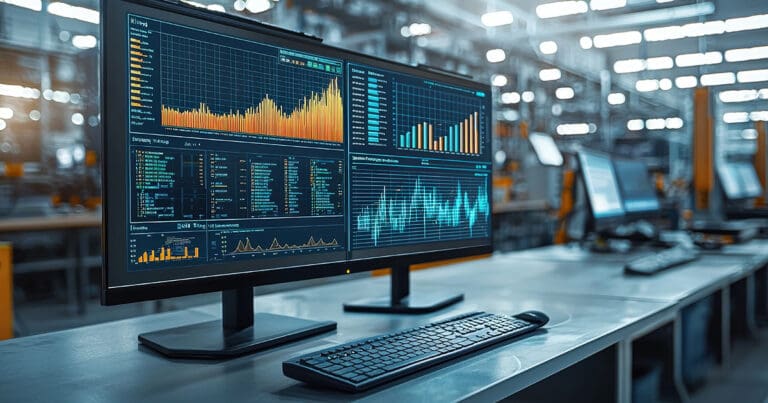
What dashboards do inside a lab system, which metrics belong on them, and how visual reporting speeds up sample, quality and resource decisions.
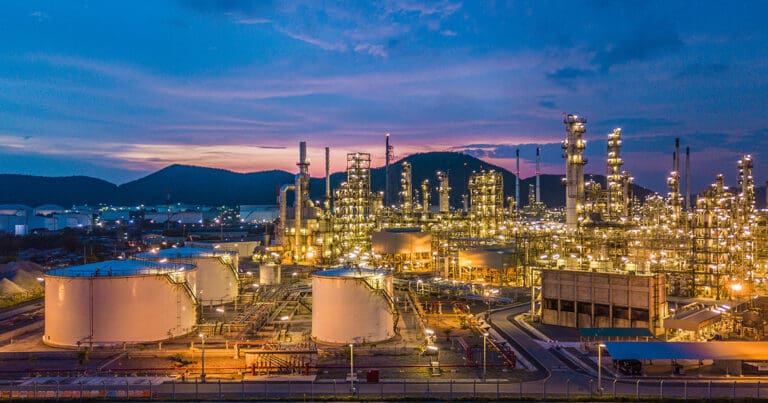
Chemical, petrochemical and biofuels testing under GHS, REACH and OSHA requirements, with configurable workflows, sample tracking and scalable reporting.
Where lab supply chains break, and how supplier diversification, strategic inventory levels, cloud platforms and connected tracking keep testing running.
What remote instrument monitoring and shared data access change for lab teams, plus the security and connectivity questions to settle before relying on them.