The Laboratory Technology Maturity Framework: Upgrading Your Lab for Efficiency and Innovation
Five stages from paper operations to AI driven automation, with the traits of each so you can place your lab honestly and see what the next step demands.
Category
The laboratory landscape is evolving rapidly with advancements in AI, automation, predictive analytics, and digital transformation. In Lab Trends & Insights, LabLynx explores emerging technologies, industry forecasts, and strategic shifts shaping modern labs. From AI-driven LIMS analytics to self-maintaining laboratories and lab maturity models, these articles help lab leaders anticipate change and adopt innovations that drive efficiency, accuracy, and compliance. Whether you’re planning your next upgrade or evaluating long-term strategy, our insights provide actionable guidance backed by real-world lab applications. Browse the latest trends and future-focused content to keep your laboratory competitive.
Showing 10 of 22 items
Five stages from paper operations to AI driven automation, with the traits of each so you can place your lab honestly and see what the next step demands.
Seven shifts worth planning for: AI-driven automation, cloud systems, tighter privacy rules, green labs, multi-omics, low-code tools and predictive analytics.
AI-assisted diagnostics, robotics, cloud systems, connected devices and precision medicine, and what each one changes about running a healthcare lab.
Why patients pick urgent care and retail clinics over a primary care physician, what each option handles well, and what gets lost when the regular doctor drops out.
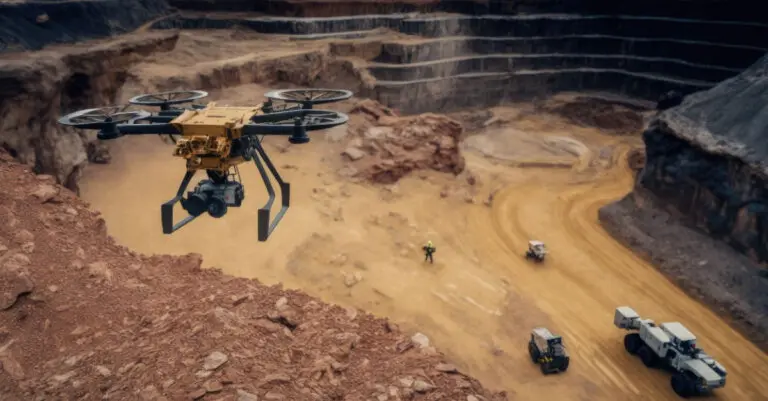
Autonomous haulage, GPS and GIS mapping, wearables, digital twins and drones reshaping mine sites, plus where laboratory informatics fits for assay labs.
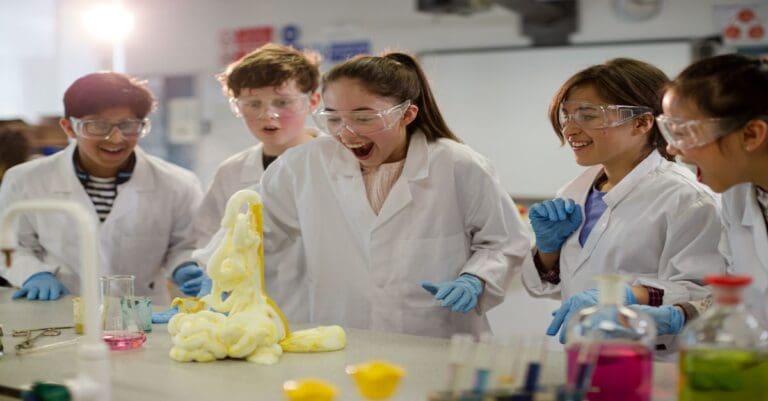
How hands-on lab work builds scientific reasoning at every stage of schooling, from elementary classes through university, and why it holds student interest better.
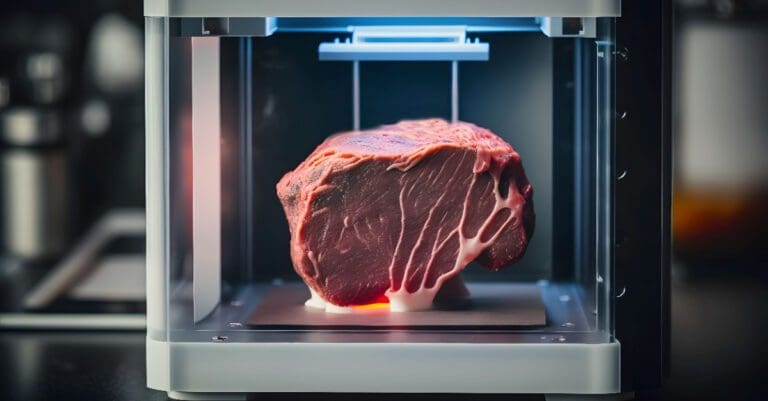
From the Fab@Home prototype to printed proteins, a look at how food fabrication works, what it costs, whether it is safe and where the market goes next.
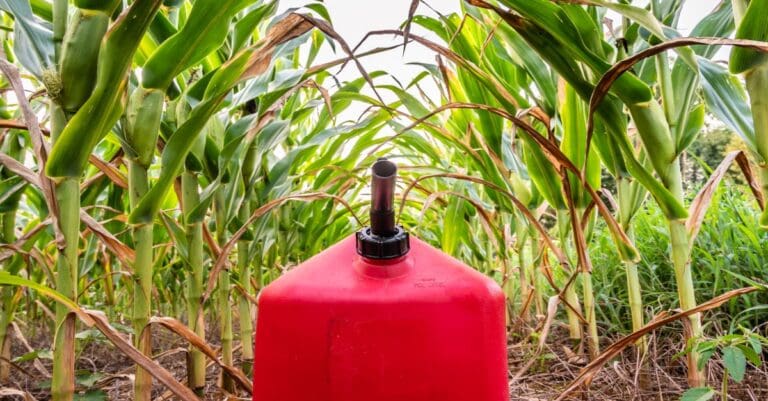
Which biofuels come from waste rather than food crops, and the research turning agricultural leftovers, algae and animal waste into usable renewable energy.
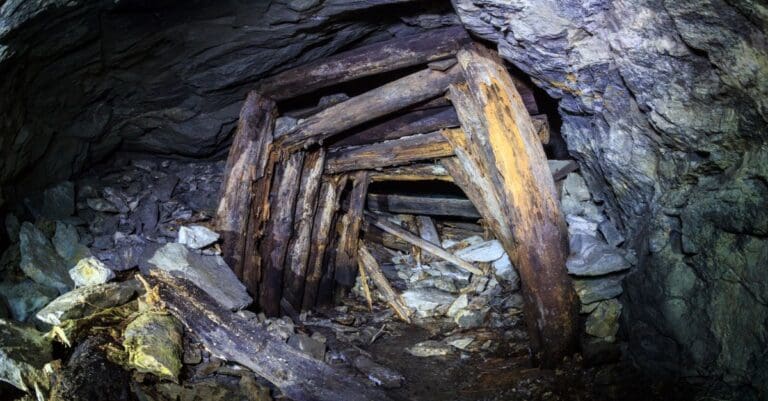
Roughly 140,000 abandoned hard rock mines still threaten water and public safety, and recent legislation is changing which cleanup and reuse projects get funded.
Gender bias, the leaky pipeline and representation gaps facing women in lab leadership, with concrete steps organizations can take toward a fairer lab culture.