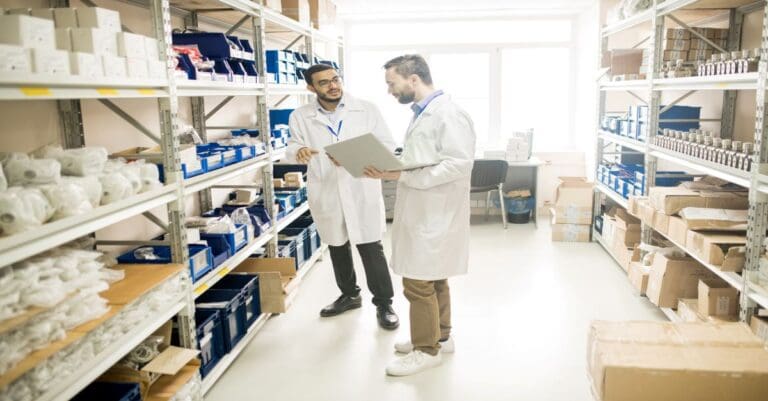
Supply Chain Resilience in the Lab: Fortifying Your Operations Against Disruptions
Where lab supply chains break, and how supplier diversification, strategic inventory levels, cloud platforms and connected tracking keep testing running.

Category
Running a high-performing laboratory requires streamlined workflows, minimized human error, optimized inventory, and fast turnaround times. In Laboratory Operations & Efficiency, LabLynx shares practical guides on improving day-to-day lab performance using modern LIMS and ELN tools. Topics include reducing lost samples, accelerating reporting, implementing change management, and eliminating manual data entry bottlenecks. These articles are designed for lab managers and technicians looking to increase throughput, cut costs, and maintain quality without adding headcount. Discover how integrated informatics solutions transform routine operations into competitive advantages.
Showing 10 of 31 items
Where lab supply chains break, and how supplier diversification, strategic inventory levels, cloud platforms and connected tracking keep testing running.
Backups, off-site data access, sample tracking and workflow continuity that keep a lab operating through fire, flood, cyberattack or shutdown.
Mislabeled specimens and transcription slips reach patients, so this walks through the controls a healthcare lab can put between a sample and a wrong result.
Browser and mobile access, real-time syncing, secure remote logins and offline handling for teams that cannot be tied to a bench to do their work.
Data silos, drifting protocols and audit gaps across sites, and how one central system standardizes methods, reporting and visibility for every location.
The hidden costs of aging lab technology, from manual rework and error rates to compliance gaps, and what changes when records move to one modern system.
What sits behind a well-run lab: quality systems, staffing, procurement, calibration, analytics and the information system that ties all of them together.
What separates a QC lab that catches problems from one that does not, covering quality system habits, regulated industry demands and record keeping practice.
Configuring user profiles, access limits and reporting rules so the system mirrors your lab's reporting structure instead of forcing staff to work around it.
Reagents, consumables and equipment tracked so nothing expires unnoticed, with notes on labeling, storage security, environmental monitoring and stock levels.