How Electronic Lab Notebooks (ELNs) Are Advancing Research Across Industries
How academic, clinical, life science, manufacturing and medical research teams use digital notebooks to cut data fragmentation and keep work reproducible.
- ELN
Topic
Nothing on this page of results matches that content type.
Show all types or try another page.
Showing 12 of 65 items
How academic, clinical, life science, manufacturing and medical research teams use digital notebooks to cut data fragmentation and keep work reproducible.
Secure research documentation with audit trails, electronic signatures and role based access, built for clinical, pharmaceutical and biomedical studies.
Built for university and institutional research teams: experiment tracking, structured templates, version control and real-time collaboration in one cloud workspace.
Digital experiment records for R&D teams, with version control, audit trails, instrument integration and access controls that replace paper documentation.
Experiment capture, collaboration and audit-ready records for health and life science research teams working under strict data integrity and privacy requirements.
Structured workflows for pathogen testing and QC work, with automated data capture, electronic signatures, audit trails and instrument connectivity.
Where electronic lab notebooks pay off most: pharma and biotech, chemical, clinical research, food and beverage, environmental testing and forensic science.
Ten capabilities worth checking before you commit, including templates, version control, instrument integration, full text search, mobile access and reporting.
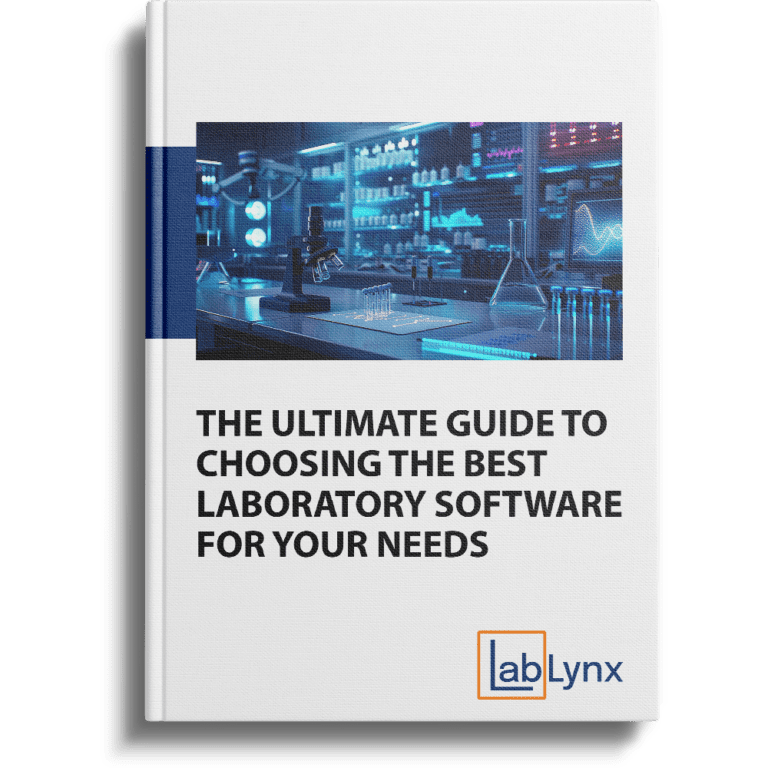
A free overview of the main software categories a lab can buy, the features that matter most, and how to compare, implement and support the choice.
A walkthrough of the three suites, what each one handles, and how sample management, scientific documentation and automation fit together on one platform.
All three suites in one view, plus the OpenSocial, ELab ELN, ELab LIMS and LabVia applications, and how the platform is meant to scale as a lab grows.
Compares the three suites side by side and walks through choosing between data management, research documentation and automation based on how your lab runs.